
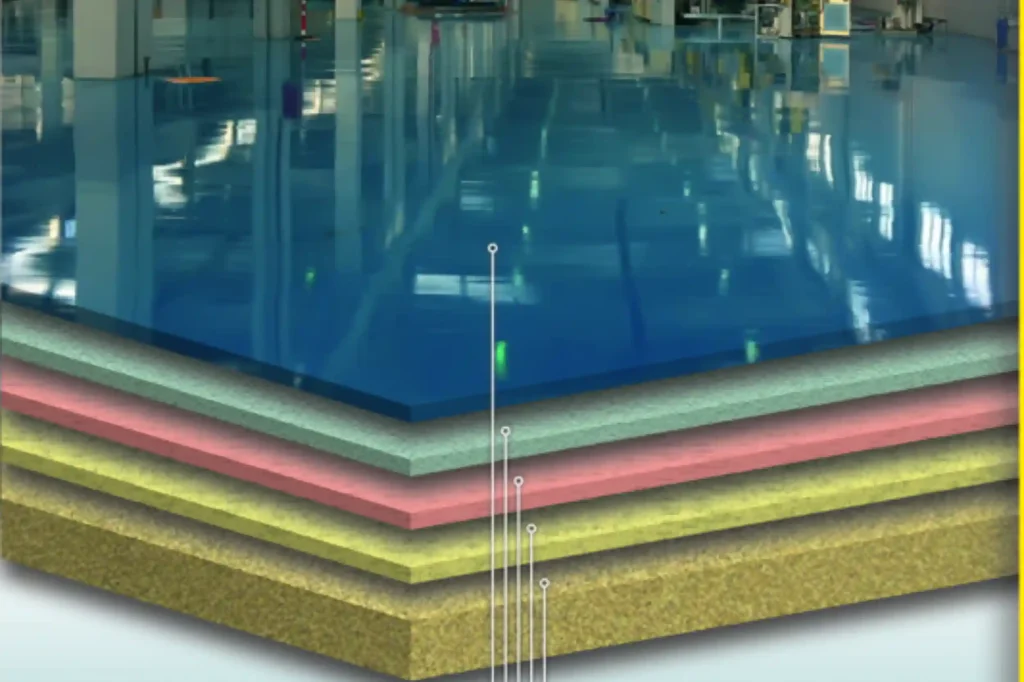
Sustainable Flooring Solutions for Eco-Friendly Projects
In today’s environmentally-conscious world, sustainable flooring solutions have become a cornerstone of modern architecture and design. The flooring industry has responded to the growing demand for eco-friendly options by offering a wide range of sustainable materials and innovative technologies. This comprehensive guide will explore the benefits, materials, and applications of sustainable flooring solutions, emphasizing their role in fostering eco-friendly projects across various sectors
What Are Sustainable Flooring Solutions?
Sustainable flooring solutions refer to flooring materials and systems designed to minimize environmental impact throughout their lifecycle. These solutions prioritize renewable resources, low energy consumption, and recyclability while ensuring durability, aesthetics, and functionality. Sustainable flooring contributes to:
Reduced Carbon Footprint: Lowering greenhouse gas emissions during production, transportation, and disposal.
Healthier Indoor Air Quality: Using non-toxic, VOC-free materials.
Resource Conservation: Utilizing renewable or recycled materials to preserve natural resources.
Waste Reduction: Facilitating recycling and reusability at the end of the product’s life.
Benefits of Sustainable Flooring Solutions
Environmental Impact Reduction Sustainable flooring options significantly reduce deforestation, landfill waste, and carbon emissions. Materials like bamboo, cork, and reclaimed wood grow quickly or repurpose existing resources.
Energy Efficiency Many eco-friendly floors, such as radiant heating-compatible systems, improve energy efficiency, lowering utility costs.
Durability and Longevity High-quality sustainable materials, such as recycled metal tiles or natural stone, offer exceptional durability, reducing the need for frequent replacements.
Health and Wellness Eco-friendly floors avoid harmful chemicals, promoting better indoor air quality and reducing health risks.
Aesthetic Versatility Sustainable flooring solutions come in a variety of textures, colors, and designs, allowing for creative customization without compromising environmental goals.
Economic Viability While some sustainable flooring materials have higher upfront costs, their longevity and efficiency often lead to long-term savings.
Types of Sustainable Flooring Materials
1. Bamboo Flooring
Features: Bamboo grows rapidly, making it a renewable and sustainable resource. It’s durable, stylish, and available in various finishes.
Applications: Suitable for residential and commercial spaces, including living rooms, offices, and retail environments.
2. Cork Flooring
Features: Harvested from the bark of cork oak trees without harming the tree, cork flooring is renewable and recyclable. It’s also soft, comfortable, and noise-absorbing.
Applications: Ideal for homes, libraries, and offices requiring sound insulation.
3. Reclaimed Wood Flooring
Features: Repurposed wood salvaged from old buildings or furniture reduces the need for new logging. It provides a rustic, authentic look.
Applications: Perfect for historic renovations, modern rustic homes, and boutique stores.
4. Linoleum Flooring
Features: Made from natural materials like linseed oil, cork powder, and wood flour, linoleum is biodegradable, durable, and easy to maintain.
Applications: Commonly used in healthcare facilities, kitchens, and schools.
5. Recycled Metal and Glass Tiles
Features: Tiles made from recycled metal or glass are highly durable, easy to clean, and contribute to a modern aesthetic.
Applications: Popular in kitchens, bathrooms, and accent walls.
6. Natural Stone Flooring
Features: Stones like granite, slate, and limestone are long-lasting and recyclable. Sourced responsibly, they can align with sustainability goals.
Applications: Suitable for luxury homes, outdoor patios, and high-traffic commercial areas.
7. Concrete Flooring
Features: Polished concrete uses existing subfloors, reducing material use. It’s durable, low-maintenance, and versatile.
Applications: Warehouses, industrial facilities, and minimalist residential spaces.
8. Recycled Rubber Flooring
Features: Made from recycled tires, rubber flooring is highly durable, slip-resistant, and shock-absorbing.
Applications: Ideal for gyms, playgrounds, and outdoor walkways.
Applications of Sustainable Flooring
1. Residential Spaces
Sustainable flooring enhances the comfort, aesthetics, and eco-credentials of homes. Options like bamboo, cork, and reclaimed wood create warm, inviting interiors.
2. Commercial Spaces
Eco-friendly flooring supports green building certifications like LEED and WELL. Polished concrete, recycled tiles, and natural stone are popular in offices, retail spaces, and hospitality venues.
3. Industrial Facilities
Durable and low-maintenance options like concrete and recycled rubber flooring meet the demands of warehouses, factories, and logistics centers.
4. Public and Educational Buildings
Non-toxic, low-maintenance materials like linoleum and cork are ideal for schools, libraries, and community centers, promoting healthier indoor environments.
5. Outdoor Areas
Natural stone and recycled rubber flooring provide sustainable options for patios, pathways, and recreational areas.
How to Choose the Right Sustainable Flooring
1. Assess Your Needs
Consider the purpose of the space, foot traffic, and aesthetic preferences. For high-traffic areas, durable options like concrete or recycled rubber are ideal.
2. Evaluate Environmental Impact
Look for certifications like FSC (Forest Stewardship Council), GreenGuard, and Cradle to Cradle that verify sustainability claims.
3. Consider Budget
Factor in upfront costs, installation expenses, and long-term maintenance savings.
4. Prioritize Health and Safety
Choose materials free from harmful chemicals and allergens to create a healthier indoor environment.
Installation and Maintenance Tips
Professional Installation Ensure proper installation by hiring experienced professionals who understand the nuances of sustainable flooring materials.
Regular Maintenance Use eco-friendly cleaning products and follow manufacturer guidelines to prolong the life of your flooring.
Repairs and Refinishing Opt for repair and refinishing options instead of replacement to minimize waste.
The Future of Sustainable Flooring
The sustainable flooring industry is evolving rapidly, driven by technological advancements and increasing awareness. Innovations include:
Bio-Based Materials Flooring made from algae, hemp, and other bio-based materials offers new possibilities for sustainability.
Smart Flooring Integration of smart technologies for energy efficiency and functionality.
Closed-Loop Recycling Developing systems to recycle flooring materials back into new products, reducing waste.
Why Choose GreenTechs Ltd for Sustainable Flooring in Bangladesh?
GreenTechs Ltd is a trusted provider of sustainable flooring solutions in Bangladesh, offering expertise in eco-friendly materials and advanced installation techniques. Our commitment to quality, innovation, and environmental stewardship ensures:
Customized solutions tailored to your specific needs.
High-quality materials that prioritize sustainability.
Expert craftsmanship and reliable support.
Whether you’re working on residential, commercial, or industrial projects, GreenTechs Ltd is your partner in creating eco-friendly spaces that inspire and endure.
Sustainable flooring solutions are more than a trend; they are a necessity in our quest for a greener future. By choosing eco-friendly options, we can create spaces that are not only beautiful and functional but also aligned with our environmental responsibilities.
-
Sustainable Flooring Solutions for Eco-Friendly Projects
- Sustainable Flooring Solutions for Eco-Friendly Projects
- What Are Sustainable Flooring Solutions?
- Benefits of Sustainable Flooring Solutions
- Types of Sustainable Flooring Materials
- Applications of Sustainable Flooring
- How to Choose the Right Sustainable Flooring
- Installation and Maintenance Tips
- The Future of Sustainable Flooring
- Why Choose GreenTechs Ltd for Sustainable Flooring in Bangladesh?